FIRE SAFETY EQUIPMENT INSTALLATION AT AGBAMI FPSO

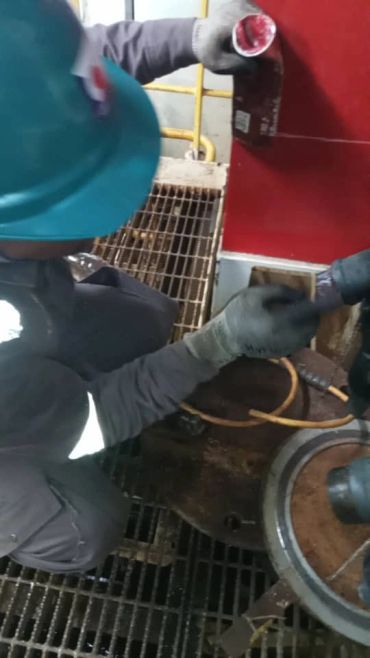
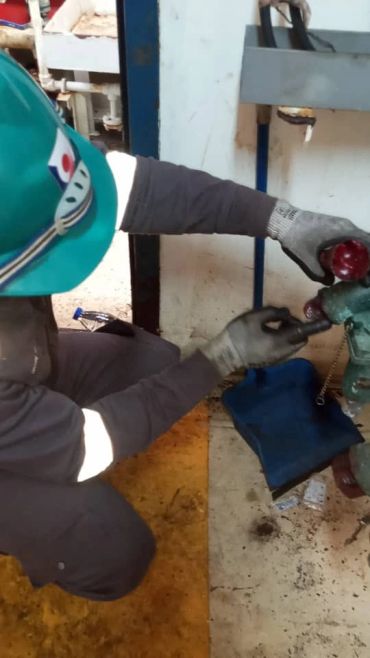
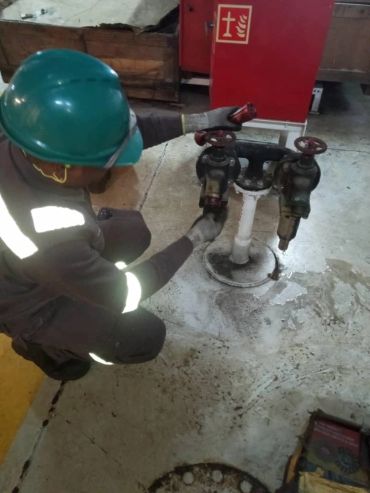
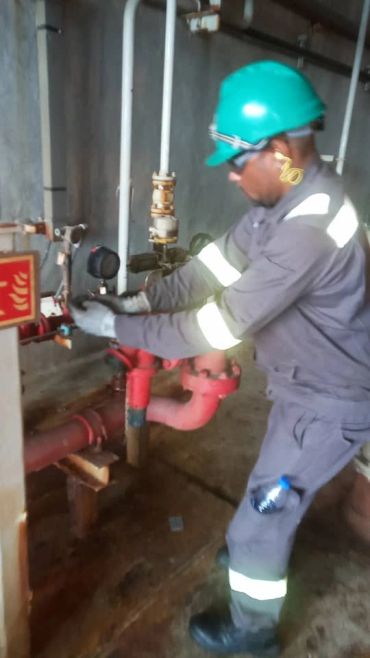
Installation of New Pressure Indicator Gauge
Newly Installed PD1
Newly Installed PD1
Installing a new Pressure Differential (DP) Gauge involves selecting a stable, vibration-free location, securing the device (surface or panel mount), and connecting the high/low-pressure impulse lines with shut-off/bypass valves. Always match the gauge orientation (usually vertical) to the manufacturer’s specifications to ensure measurement accuracy.

Newly Installed PD1
Newly Installed PD1
Newly Installed PD1
Newly installed pressure differential indicators measure the difference in pressure between two points in a system. They are crucial for monitoring filter conditions, liquid levels, and fluid flow rates without system shutdowns.

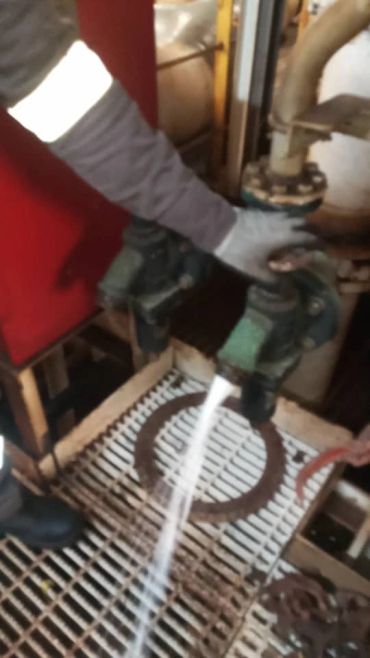
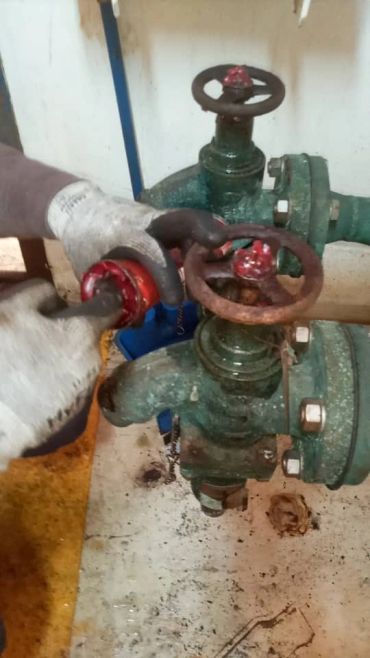
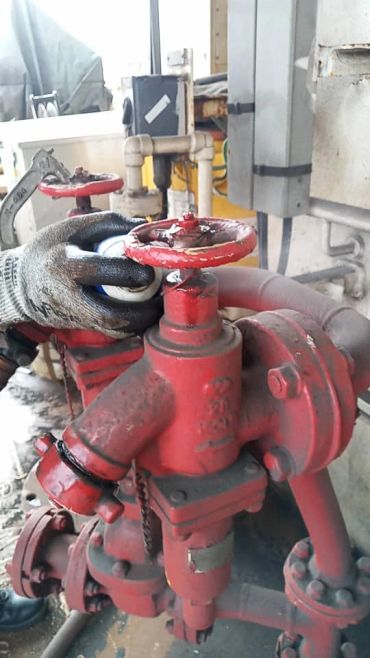
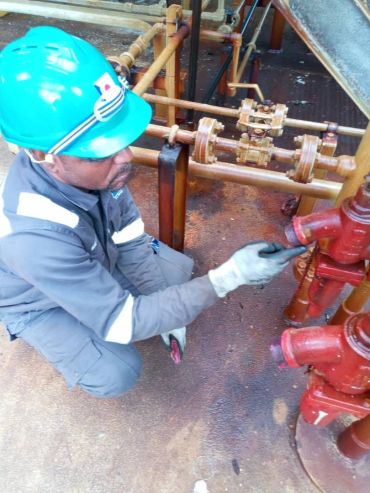
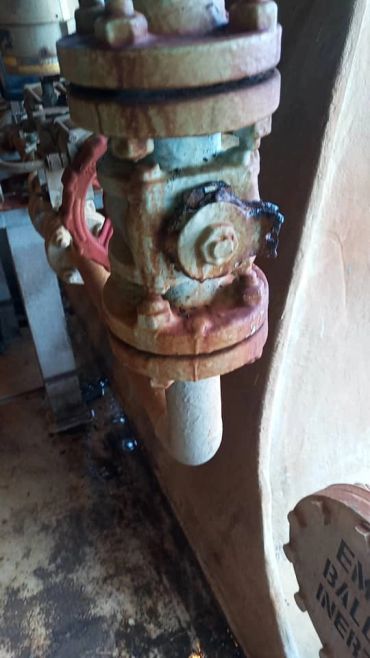
Loosening of Pressure Differential Gauge
Newly Installed PD1
Loosening of Pressure Differential Gauge
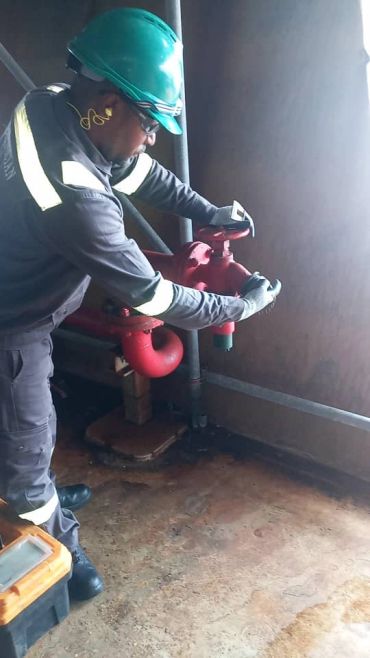
A pressure differential (DP) gauge measures the difference between two pressure points. If the gauge or its parts are "loosening," this typically means the dial needle is floating off zero, mounting hardware is rattling, or internal limit switches are drifting and requires replacement.

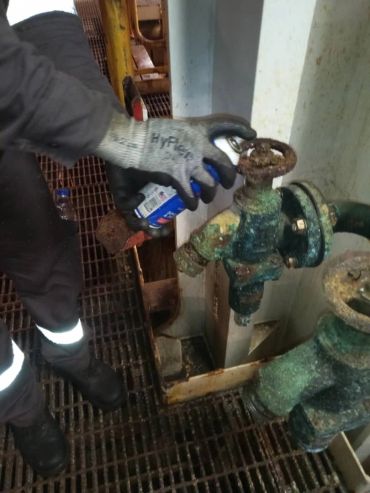
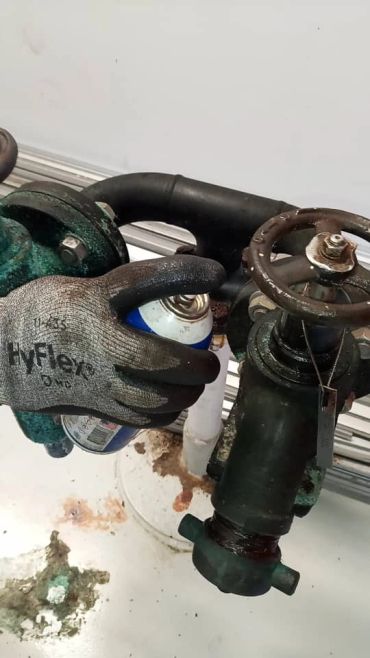
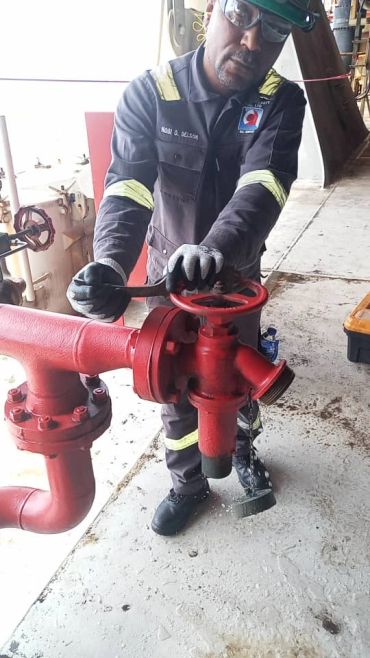
Application of WD 40
Newly Installed PD1
Loosening of Pressure Differential Gauge
To free up a stuck or gritty monitor joint, we use the original WD-40 or a dedicated parts cleaner to flush out old debris and corrosion.
INSTALLATION OF PRESSURE DIFFERENTIAL INDICATOR

Installing a Pressure Differential Indicator (PDI) on vessel fire safety equipment (like foam concentrate tanks or water-mist filters) requires precise placement and strict adherence to marine standards. The PDI monitors pressure drops to ensure pumps are running correctly or to alert operators when a filter is clogged.

Mounting the Indicator
- Isolate the System: Ensure the fire safety system is depressurized and isolated (valves closed) before making any physical connections.
- Secure the Bracket: Mount the PDI to a solid, vibration-free surface (e.g., a bulkhead or skid frame) using heavy-duty stainless steel brackets.
JOINT INSPECTION OF FIRE SAFETY EQUIPMENT APPRAISAL AT NCMDB

A team from Federal Fire Service led by the Superintendent of Fire, Mr. Malik from Abuja, in conjunction with NCDMB Staff, Okama Infinity firemen, Engr. Humphrey Igbudu Okama Infinity project Engr /HSE Manager and Mega Star representatives, carried out inspection within the NCDMB Towers and Elebele Gas plant, conducted to appraise the fire safety equipment of the structures/emergency preparedness in case of any fire hazard.
Before assessing equipment, the inspector reviews the facility's documentation to understand the baseline safety requirements.
- Records Checked: Previous inspection reports, maintenance logs, building floor plans, and staff fire training records.
- Hazard Assessment: Review of lists detailing any dangerous or flammable substances stored on-site.
The inspector performs a physical walkthrough to ensure equipment is accessible, undamaged, and correctly located.
- Fire Extinguishers: Checked for signs of rust, dents, tampering, or broken seals.
- Sprinklers & Pipes: Scanned for signs of breakage, leakage, or valve seizure.
- Emergency Exits: Verified that evacuation routes are clearly marked and unobstructed.
- Hazards: Checked for proper chemical storage and adequate ventilation.
3. Functional Testing: Inspectors run physical or digital tests to confirm that equipment turns on and operates to code.
- Fire Alarms: Testers verify battery backup, ground fault detection, and auxiliary functions like elevator recalls or HVAC shutdowns.
- Fire Sprinklers: Drain flow tests are conducted to check correct water pressure.
- Specialized Tools: Inspectors may use tools like infrared cameras to identify hidden fire hazards in electrical wiring and machinery.
4. Reporting and Action: Once testing is complete, the inspector generates a report detailing the facility's compliance.
- Compliance vs. Violations: If systems pass, a certificate of compliance is issued. If violations are identified, businesses must correct them within a specific timeframe to avoid penalties.
Combined Fire Drill of all 30 Nos. Firemen


Foam Test Analysis, Fire Safety Equipment Installation & Mainetenance at Chevron Agbami FPSO - September 2026

F-500 EA THE FUTURE OF FIREFIGHTING
Welcome! Check out our website for F-500 EA firefighting suppressant approved by NFPA for extinguishing all classes of fire effectively including lithium-ion battery fires. Also excellent for Fire Rescue and Emergency Operations.